Mother earth day, Uganda.
The sustainable solution to Uganda’s plastic waste problem.
On April 22, 2018, Uganda will join the rest of the world to mark the International Mother Earth Day, a day meant to help raise awareness and protection of the environment, we in Uganda just like an other part of the world need louder voices on the need to conserve mother earth for sustainable relationships. However, human activities such as poor waste disposal in urban areas such as Kampala city, alarming levels of tree cutting for fuel like charcoal and firewood, construction materials and poles not forgetting the population pressure on the forests and wetlands threaten the natural environment, accelerating irregular changes in environmental conditions or what is technically referred to as climate change, industrialization and pollution.
This year’s International Mother Earth Day global theme “End Plastic Pollution” could not be more appropriate in Uganda.
Uganda like many other countries around the world is grappling with plastics/polythene waste management problem. This crisis is more severe in urban centres attributed to our poor attitude towards the environment and lack of a consciousness to our surroundings. It should be noted that this isn’t the first time Uganda is trying to ban the use of plastics bags. It has been done before but with futility.
We should however be reminded of our responsibility to protect the rich resources available on our planet that sustain the lives of the world’s estimated 7 billion inhabitants and we should therefore remain committed to take care of earth’s natural resources, educating, sensitizing and training people to work with it in creative, sustainable and beneficial ways and we also need to recognize the importance of taking care of the environment and strives to implement environmentally-friendly practices in all of its activities.
We all understand or need to understand that earth’s resources are essential in supporting people’s livelihoods, fostering that approach through agriculturally friendly projects and we therefore need to use sustainable agro-based activities to fight against the effects of poverty, increasing food security, and promoting income diversification.
Uganda’s plastic waste challenge.

One of Uganda’s biggest plastic challenge is polythene/plastic bags (buveera) mainly used for packing and plastic what bottles. Economic development has brought in its wake numerous challenges including global warming with its numerous consequences. A major challenge the world has and is still facing as a result of the industrial development has been the disposal of industrial waste. This is coupled with the actual usage of resources. Today, the world is talking about sustainable development, can we use our resources in such a way that they can be sustained and used in generations?
Unfortunately, this does not appear to be so. Developing countries just like Uganda are busy polluting the air. China and the USA are possibly the biggest culprits, but the world is talking about it and putting measures to address it.
Today Uganda is faced with challenges of air pollution, deforestation, desertification all emerging from industrial development. For the developing countries, while we sign up to international agreements on some of these issues very little translates onto the ground. The issue of polythene bags is one such.

The challenge is growing uncontrollably mainly resulting from packaging of goods that we buy from commercial enterprises. Growing up, packaging of goods was mainly in paper bags, this was until business invented the plastic bag but the cost of the plastic bag to the earth is phenomenal. It is said that over 100 million tonnes of plastics have entered the oceans! There are also reports that in every square mile of the ocean worldwide, there are approximately one million pieces of plastic debris!
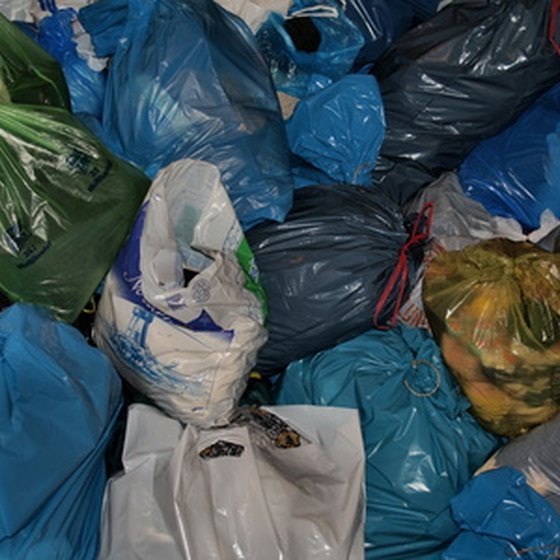
Over two million birds and animals die every year due to eating of polythene bags or as a result of chocking. Plastic is choking rivers, tunnels and other water ways.
In our poor countries, the tragedy has already happened but it is yet to show its ugly head. The consequences of the plastic bag and there disposal has already damaged most of our society. Some countries that have been wise have banned the usage of high density polythene bags. These include China, India, Bangladesh and Rwanda among others.
Uganda’s attempt to ban these plastics was defeated by lobbyists, corruption and weaknesses in implementing the law. In some other countries especially developed countries, they have imposed a surcharge on usage of plastics but because they are more aware of the problem these cause, the disposal methods are strictly enforced.
Uganda has a major challenge, every town, slum, trading center is filled with debris of polythene bags. Of course we don’t have records of who has died as a result of swallowing or misusing of these bags.
There are very many things that we know we should not do but we ignore and do them. People will not get out of forests yet they know it is important to have forest cover to avoid problems of climate change. The plastic bag challenge is one of those things we must address. As a poor country, we cannot afford the costs associated with the hazards that poor disposal of plastic bags cause. We need to have sustainable economic development.

We should take care of our forests, wetlands, lakes and rivers. We should sensitize our children in schools about the hazards of deforestation, desertification and global warming among other challenges. But most important, we should sensitize children in schools about disposal of plastic bags.
This Earth Day, Know Uganda Guide encourages everyone to get involved in preserving the natural resources in their own communities and look for ways to be better stewards of these finite resources.

To be continued………………
Earth week to mark Mother Earth day Sunday April 22, 2018.


 Namugongo. Uganda Martyrs Shrine, Namugongo.
 Pope Francis prays at the Namugongo Martyrs’ Shrine in Namugongo, Uganda, on November 28, 2015.


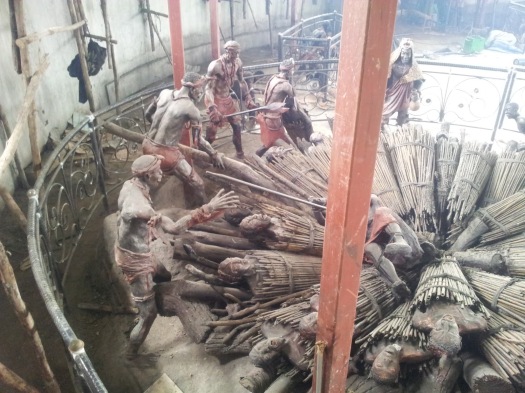 The burning place at Namugongo
 The 12 Uganda martyers.
 “These that are clothed in white robes, who are they? And whence come they?’ (Rev 7:13)””Yes, they are Africans and they are martyrs. ‘These are they who have come out of the great tribulation and have washed their robes in the blood of the Lamb, therefore they are before the throne of God’ (Rev 7:14-15”
 St. Charles Lwanga was a Muganda by tribe from Buddu county (Birinzi village) but there are mixed findings about his parents.
  St. Matthias Mulumba Kalemba was a Musoga by tribe from Bunya county in Busoga. His biological parents, however, are not known.
  St. Noe Mawaggali was a Muganda by tribe from Ssingo county and of Bush-Buck (Ngabi) clan -Tragelaphus Scriptus. His father was Musazi and mother Meme.
  St. Kizito was the youngest of all the Martyrs who died at the age of 14. He was a Muganda by tribe from Bulemeezi county.
  St. Joseph Mukasa Balikuddembe was the head of Catholic Church during the absence of Catholic Missionaries and a leader all Christians.
  St. Denis Ssebuggwawo (Musajja-mukulu) was by tribe a Muganda from Bulemeezi county. His father was Kajansi and mother, Nsonga ( Musoga). .
  St. Pontian Ngondwe was a Muganda by tribe from Kyaggwe county and of White Egret (Nnyonyi) clan -Bubulcus Lucidus. .
  St. Andrew Kaggwa Muddu-aguma Mugoowa was a Munyoro by tribe from Bugangayizi county but his parents are not known as he was just captured from his home-land by Buganda raiders.
  St. Athanasius Bazzekuketta is a Muganda by tribe. Though his county of origin is unknown, his father was Kafeero Kabalu Sebaggala and his mother Namukwaya (Buffalo Clan)..
  St. Gonzaga Gonza was a Musoga from Bulamoogi county. His parents are not known, though it is said in various writings that he belonged to Lion (Mpologoma) clan..
  St. Luke Baanabakintu a Muganda by tribe from Ggomba county. His father was Mukwanga and mother Kusuubiza of Seed Clan. Baanabakintu was of Lungfish (Mamba) clan—Protopterus..
  St. James Buuzaabalyawo was a Muganda from Mawookota county. His father was Sebikejje but his mother is unknown. He was of Black and white Colubus Monkey (Ngeye) clan -Colobus Polykomos.
 St. Gyavira Musoke was a Muganda from Busiro county, his father was Semalago but his mother is not known. He was of Lungfish (Mamba) clan—Protopterus..
  St. Ambrose Kibuuka Katikamu was a Muganda by tribe from Ssingo county. His father was Kisuule and mother Ampera. .
  St. Anatoli Kiriggwajjo was by tribe a Munyoro. His parents and county of origin are not known as he was captured during the inter-kingdom wars and brought to the king’s palace.
  St. Achilles Kiwanuka was a Muganda by tribe from Ssingo county. He is from Scaly Ant-Eater or Pangolin (Lugave) clan.
  St. Mbaaga Tuzinde was a Muganda by tribe from Busiro county and of Lungfish (Mamba) clan – Protopterus.
  St. Mugagga Lubowa was a Muganda by tribe from Mawookota. His father was Mazinga and his mother Nassubwa. He was of Leopard (Ngo) clan -Felix Pardus.
  St. Mukasa Kiriwawanvu was a Muganda by tribe from Kyaggwe county and of Sheep (Ndiga) clan – ovis. His father was Lumanyika and mother Malokuvaawo (Musoga).
  St. Adolphus Mukasa Ludigo was a Munyoro by tribe from Mwenge-Toro . His parents are unknown because he was captured in the inter-kingdom wars and brought to the palaca as a captive..
  St. Bruno Sserunkuuma was by tribe a Muganda from Buddu county. His father was Namunjulirwa and mother Ndibaliza..
  St. John Mary Kiwanuka Muzeeyi was the last Catholic Martyr to be killed by king Mwanga. He was a Muganda from Buddu county.
  Blessed Jildo Irwa was born about 1902 by Tongpfur Daniele (father) and Atoo (mother) from Labongo Bar- Kitoba clan of Acholi.
  Blessed Okello Daudi was born about 1900. His father was Lodi and mother; Amona of Ongon Payira clan. .
  Daudi and Jildo were beatified by Pope John Paul II on 20th October 2002.Jildo was younger. He was born at Labongo Bar-Kitoba around 1906. He was baptised when he was not quite 10 years old.


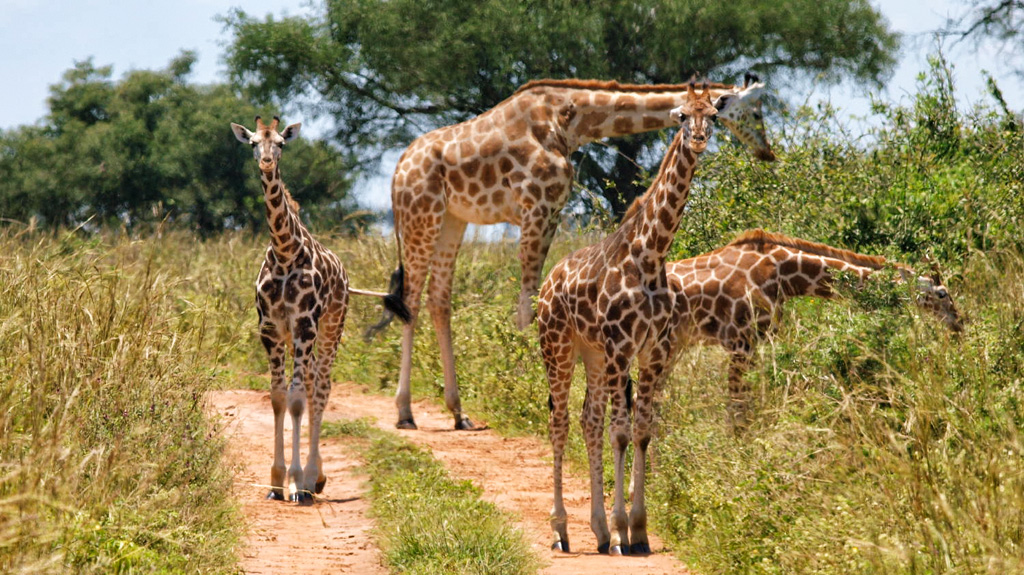



 Image by

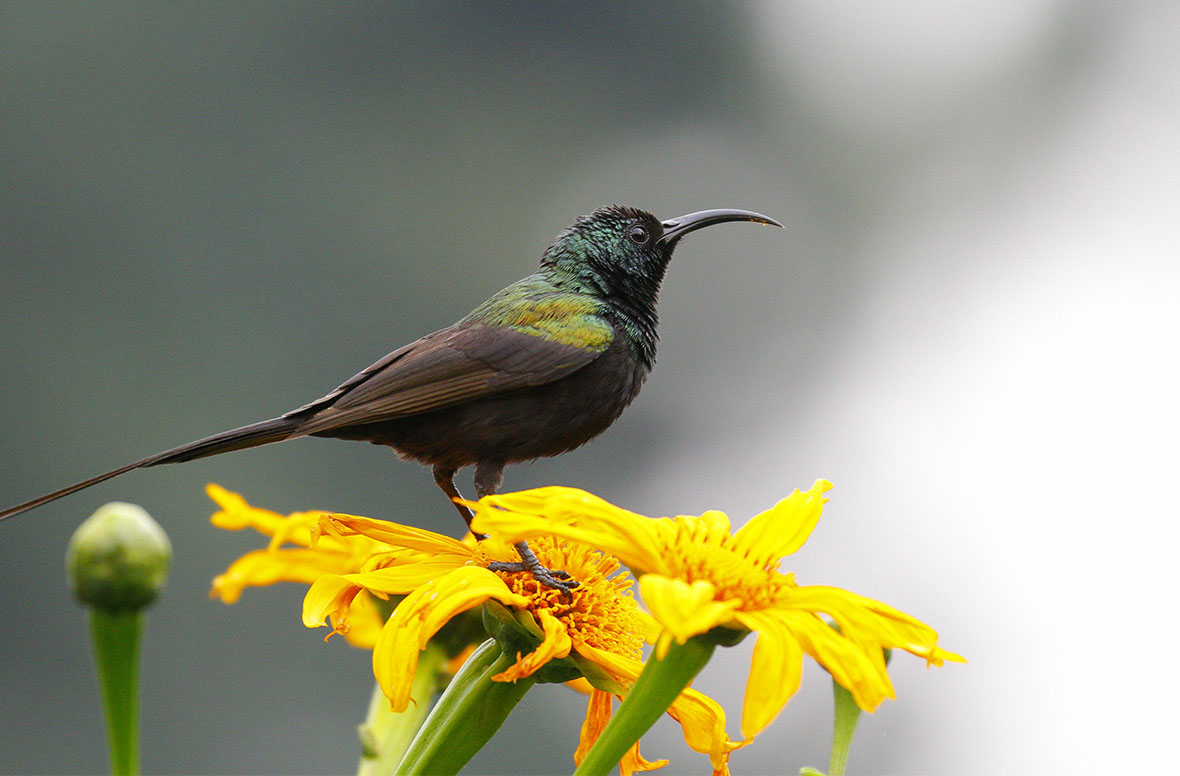


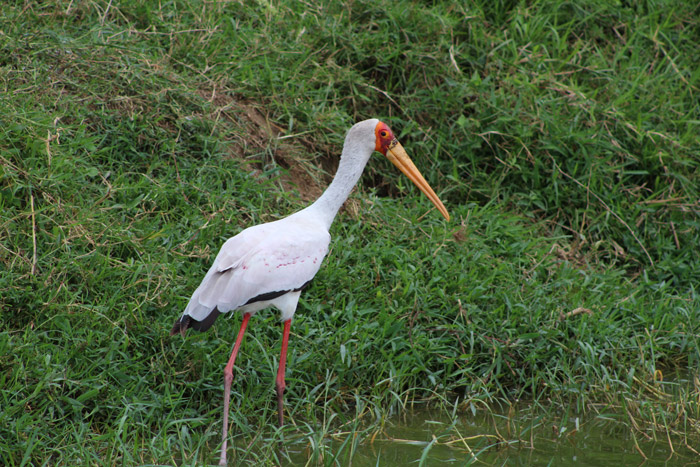
 Uganda is home to over 1,050 bird species, which can be found across a range of habitats from forests, swamps and agricultural lands, to lakes and savannahs. Uganda is crossed by the equator, and the Albertine Rift valley can be found in the west of the country. We encourage birding enthusiasts to consider visiting this beautiful country!
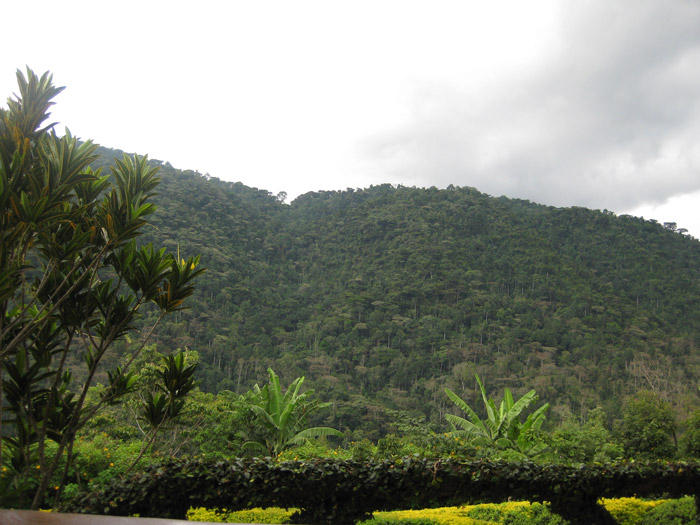
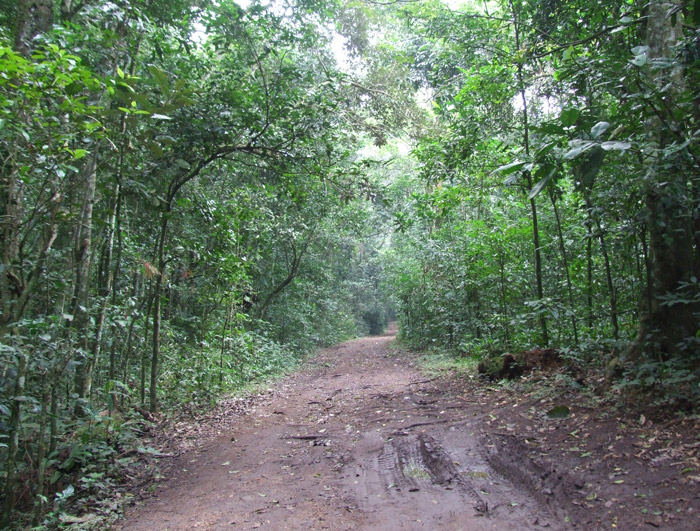
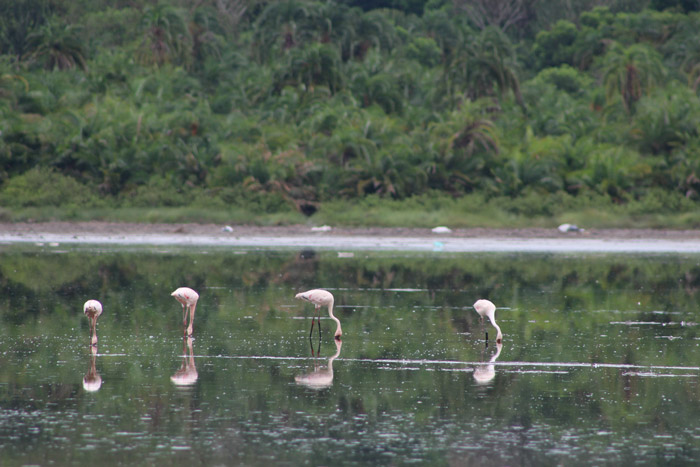 In no particular order, here are Kagera Safaris‘ best birding spots in Uganda:
 2.
2.
 Uganda is home to over 1,050 bird species, which can be found across a range of habitats from forests, swamps and agricultural lands, to lakes and savannahs. Uganda is crossed by the equator, and the Albertine Rift valley can be found in the west of the country. We encourage birding enthusiasts to consider visiting this beautiful country!
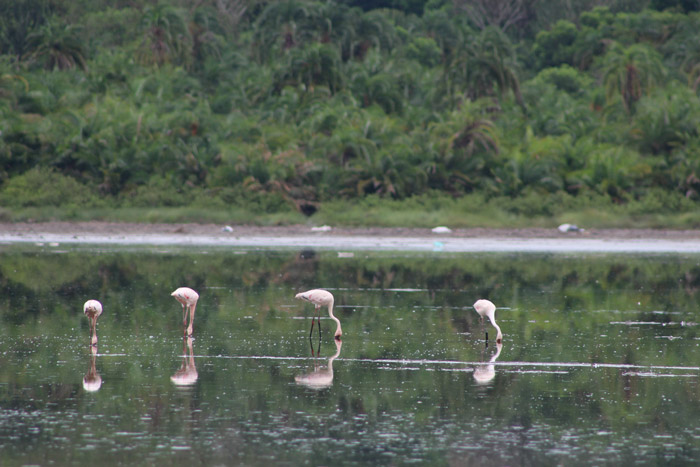 In no particular order, here are Kagera Safaris‘ best birding spots in Uganda:
 2.
2. 3.
3. 
 5.
5.  8.
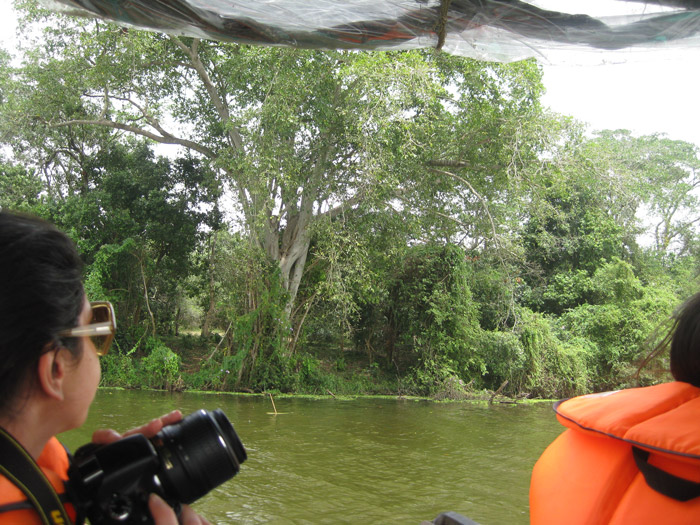
8.
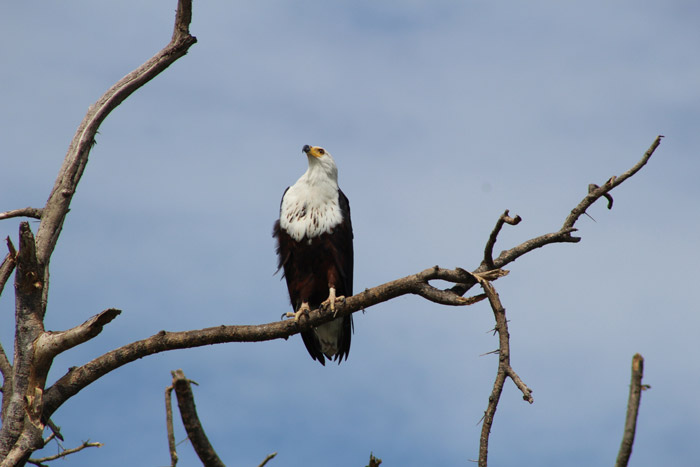 10.
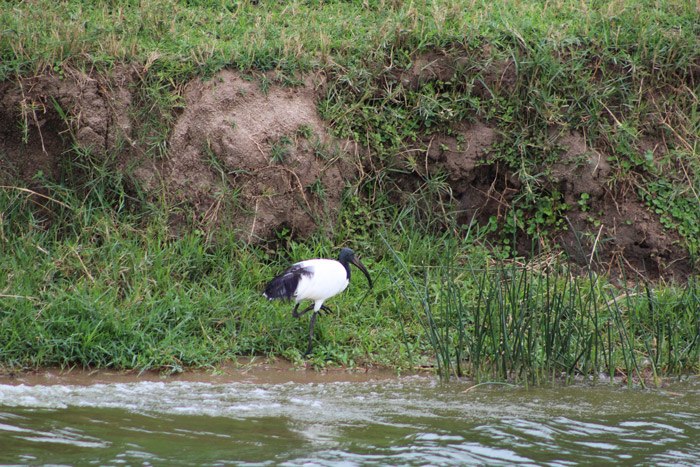
10. 

 The Most Beautiful Lake You’ve Never Heard of: Uganda’s Lake Bunyonyi.
 The Amazing River Nile is the Longest river in the world and it’s source in Uganda
 The Rwenzori Mountains (Mountains of the Moon)
 Lake Victoria has been called the most amazing lake on earth
 Lake Victoria is the world’s second largest freshwater lake covering an area of 67,850 sq km. This vast expanse, about the size of the Republic of Ireland. Many folks consider this very spot, the natural outlet to Lake Victoria, to be the source of the Nile – the world’s longest river.
 Lions at Murchison Falls National Park.
 Rothschild’s giraffe in a field with a clear blue sky in Murchison Falls National Park.